



Preparing Your Home’s Hot Water Capacity for the Fall Influx
As September signals the start of fall preparations, prioritizing flushing the sediment from your water heater before holiday guests arrive is the single most critical task on your home maintenance checklist. The end of summer marks a pivotal transition period in Naples, FL. The quiet, low-demand months are ending, and the seasonal influx of returning snowbirds and holiday visitors is just around the corner. In our decades of serving Naples, we’ve found that while you might be focused on deep cleaning guest bedrooms or planning holiday menus, a hidden problem is likely lurking inside your utility closet, quietly stealing your home’s hot water capacity.
That hidden thief is hard water mineral buildup. Over the spring and summer, calcium and magnesium silently accumulate inside your water heater tank. Because household demand is relatively low during the hotter months, this gradual loss of capacity usually goes completely unnoticed. You only discover the problem when your system is suddenly pushed to its limits by a house full of guests.
In our experience, this leaves homeowners with a clear decision point: schedule a proactive professional flush right now in September, or risk the embarrassment of guests enduring freezing cold showers on a Tuesday morning. Maintaining plumbing and home systems in Southwest Florida requires anticipating these massive seasonal spikes in demand before they happen.
The September Maintenance Window
Early fall is the ideal time to address this buildup. By taking action before the holiday rush begins, you ensure your home is fully prepared for the sudden load. A comprehensive approach to September pre-holiday/snowbird arrival preparation includes:
- Evaluating current capacity: Checking if your system still provides the same duration of hot water it did last year.
- Addressing unseen buildup: Removing the sediment layer before it solidifies into a rock-hard crust at the bottom of the tank.
- Testing recovery times: Ensuring the unit can heat a fresh batch of water quickly enough to support back-to-back showers.
- Preventing emergency failures: Catching stressed valves and failing heating elements before they break under heavy holiday use.
The Physics of Displacement: Where Did Your Hot Water Go?
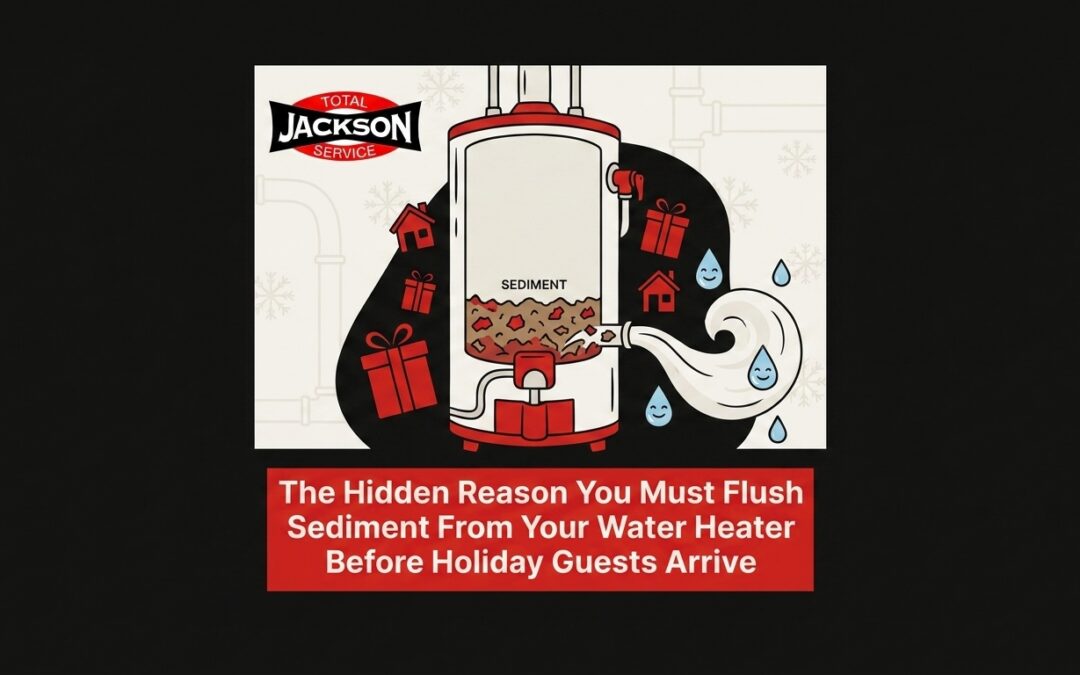
To understand why your guests might run out of hot water, you have to look at the mechanical reality of volume displacement inside the tank. Sediment is not just a layer of dirty sludge; it is physical matter that takes up geometric space. Two objects cannot occupy the same space at the same time, and inside a water heater, every cubic inch of calcium buildup means one less cubic inch of actual water.
When our technicians service plumbing in a typical Naples FL home, we often find that a standard 50-gallon water heater designed to hold exactly 50 gallons is severely compromised. If that tank has accumulated a thick layer of calcified sediment over the past year, it may only hold 40 or 45 gallons of actual water. You are effectively relying on a 40-gallon tank to do a 50-gallon job.
This lost volume is the exact reason why your water heater struggles to keep up with back-to-back showers when the guest bathrooms are suddenly in heavy use. A single guest taking a ten-minute shower can easily consume 20 gallons of hot water. If your tank’s capacity has been secretly reduced by sediment, the second or third person in line is guaranteed to run out of hot water.
The Sudden Demand Shock
During the quieter summer months, a reduced tank capacity is rarely an issue. A household of two people might only use 30 gallons of hot water in a given morning, meaning the missing 10 gallons of capacity goes entirely unnoticed. The sudden increase in demand during the holidays exposes this weakness instantly.
| Tank Condition | Actual Water Volume | Back-to-Back Shower Capacity | Guest Experience |
|---|---|---|---|
| Clean 50-Gallon Tank | 50 Gallons | 3 to 4 standard showers | Consistent, reliable hot water |
| Moderately Calcified Tank | 42 Gallons | 2 to 3 standard showers | Lukewarm water for the last person |
| Severely Calcified Tank | 35 Gallons | 1 to 2 standard showers | Cold showers and long wait times |

The Thermal Blanket Effect: Why Recovery Times Plummet
Losing physical space inside the tank is only the first half of the problem. The second, and arguably more destructive issue, is how that sediment interacts with your system’s heat source. As calcium and other dissolved minerals precipitate out of the heated water, they naturally settle at the very bottom of the tank due to gravity.
In an electric water heater, this settling sediment eventually buries the lower heating element completely. In a gas water heater, the sediment forms a thick, dense barrier directly over the gas burner plate at the bottom of the tank. In both scenarios, this mineral buildup acts as a highly effective thermal blanket.
Because sediment is an excellent insulator, the system is forced to heat this rock-like buildup before that thermal energy can ever reach the actual water. The result is a drastically extended recovery time. Our team has seen heavily calcified tanks in Naples FL take well over an hour to recover, instead of the standard 30 to 40 minutes needed to heat a fresh tank of water between guest showers.
The True Cost of Extended Heating Cycles
This thermal blanket effect does more than just ruin your morning schedule; it actively drains your wallet. When the heating elements are insulated by calcium, they have to run much longer and work much harder to reach the target temperature set by the thermostat.
- Increased Energy Consumption: Extended heating cycles waste significant amounts of electricity or gas, driving up your utility bills right as your overall seasonal usage is already increasing.
- Component Fatigue: Heating elements that are forced to run continuously will burn out much faster than those operating under normal, clean conditions.
- Overheating Risks: In gas units, the burner plate can become so dangerously hot trying to push heat through the sediment layer that it damages the structural integrity of the tank itself.
The Southwest Florida Factor: Limestone Aquifers and Accelerated Scale
The mechanical problems caused by sediment are universal, but the speed at which they occur is highly dependent on your local environment. The regional climate and geological makeup of Southwest Florida play a massive role in how quickly your plumbing systems degrade.
Naples and the surrounding coastal communities draw their municipal water supply primarily from deep underground limestone aquifers. Limestone is composed almost entirely of calcium carbonate. As water sits in and travels through these aquifers, it absorbs high concentrations of these dissolved minerals, resulting in naturally hard water.
Because of this specific regional geology, our plumbers consistently see water heaters in Naples FL calcify and lose capacity much faster than the national average. A tank that might take five years to fill with sediment in another part of the country can become severely choked with scale in just two or three years here. Homeowners must take proactive steps to stop scale before your appliances fail entirely.
Why Standard Maintenance Schedules Fall Short
Many online guides suggest that flushing a water heater every few years is sufficient. We can tell you from firsthand experience that in a limestone-heavy environment like ours, that advice is a recipe for disaster. The accelerated scaling environment created by our local aquifers makes annual maintenance non-negotiable. If you wait until a problem becomes obvious, the sediment has likely already hardened into a solid mass that cannot be easily flushed out through a standard drain valve. Recognizing this Southwest Florida factor is the key to keeping your home fully operational during the busy fall and winter seasons.
Rumbling, Popping, and the Warning Sounds of a Calcified Tank
While you cannot see inside your water heater to check the sediment levels, the tank will often give you clear auditory warning signs that it is struggling. A healthy, clean water heater operates almost entirely silently. When our experts get called out for these issues, we immediately listen for distinct popping, hissing, or deep rumbling noises coming from the unit—a surefire sign of a severe calcification problem.
These sounds are not normal mechanical operational noises. They are the sound of boiling water. As the heavy layer of sediment settles at the bottom of the tank, small pockets of water become trapped underneath the mineral crust, directly against the heating element or gas burner. This trapped water heats up much faster than the rest of the tank, rapidly turning into steam.
The popping and rumbling noises you hear are those pressurized steam bubbles violently bursting through the heavy rock layer to escape to the top of the tank. It is essentially a miniature geyser erupting inside your plumbing.
The Danger of Ignoring the Noise
These noises indicate that the tank is under immense thermal and structural stress. The constant micro-explosions of steam can cause the inner glass lining of the tank to crack, exposing the raw steel shell to water and accelerating rust and corrosion. Ignoring these warning sounds in September almost always guarantees a catastrophic failure later in the year, leaving you scrambling for emergency water heater repair in North Naples right when your house is packed with holiday guests.
The Hidden Dangers of DIY Flushing Before an Important Event
With the September pre-holiday/snowbird arrival window closing rapidly, it can be tempting to search for a quick online tutorial and attempt to flush the tank yourself. However, DIY flushing carries significant hidden risks that can easily turn a simple maintenance task into a severe plumbing emergency.
Online videos often make flushing look incredibly simple: attach a hose, open a valve, and let the water run. What those videos fail to mention is that the plastic drain valves on older water heaters become brittle and calcified over time. They are notorious for failing to reseat properly after being opened. You might successfully drain the sediment, but when you go to close the valve, a small piece of calcium gets trapped in the seal, or the plastic threads simply snap.
A stuck or broken drain valve will cause a continuous, unstoppable leak, flooding your garage or utility closet right when you are trying to prepare the house for visitors. Additionally, the temperature and pressure (T&P) relief valve must be checked during this process. If an amateur handles this critical safety component improperly, it can fail open or begin a slow, persistent drip.
The Drain Valve Trap
We see this scenario play out frequently. Just this past summer, our team responded to a local homeowner who discovered a failing relief valve during a routine check. Rather than risking a DIY disaster that could flood their property, they called in our technicians. We arrived promptly, safely checked the system, and replaced the relief valve on the water heater without compromising the rest of the unit. If an amateur flush goes wrong, you will find yourself frantically searching for same-day water heater repair in Fort Myers Beach or Naples instead of enjoying your holiday preparations.
Comprehensive Pre-Holiday System Checks by Local Professionals
The safest and most effective way to ensure your home is ready for the seasonal influx is to rely on professional maintenance. A professional flush safely removes hardened scale without risking valve damage, property flooding, or personal injury from scalding water.
When you bring in our seasoned experts at Jackson Total Service, the service goes far beyond just attaching a hose to a drain. Our technicians utilize specialized equipment to safely agitate and remove stubborn calcium deposits that a simple gravity drain leaves behind. More importantly, they perform a comprehensive system diagnostic while the tank is empty.
What a Professional Flush Actually Includes
A true professional service ensures the entire system is prepared for the sudden load of holiday hosting. This process includes:
- Inspecting the anode rod: Checking the sacrificial metal rod that protects the tank’s interior from rusting, and replacing it if it is heavily depleted.
- Testing electrical connections: Ensuring all wiring and terminal blocks are secure and free of corrosion.
- Calibrating the thermostat: Verifying that the water is heating to a safe, efficient temperature to prevent scalding while maximizing capacity.
- Validating safety valves: Testing the T&P relief valve to ensure it will properly vent dangerous pressure if the system overheats.
With a 60-year family legacy in Southwest Florida, Jackson Total Service brings multi-trade expertise to every service call. Working with a company that understands the intricacies of local plumbing, electrical, and HVAC systems means you can rest easy knowing your holiday preparations are in trusted, highly experienced hands.
Secure Your Hot Water Supply Before the Guests Arrive
Do not wait for a freezing cold shower complaint to realize your tank is choked with hard water sediment. The September pre-holiday/snowbird arrival window is the perfect time to get ahead of the seasonal rush and ensure your plumbing systems are operating at peak capacity.
By scheduling a professional flush now, you clear out the insulating thermal blanket, restore your tank’s physical volume, and guarantee that your home can handle back-to-back showers without missing a beat. Contact our local experts today to schedule your comprehensive water heater maintenance, and enjoy the peace of knowing your home is fully prepared for the holiday season.
Frequently Asked Questions
Why does my water heater run out of hot water so fast when guests visit?
A sudden drop in hot water capacity is usually caused by sediment buildup physically displacing water inside the tank. If a 50-gallon tank has 15 gallons of calcium buildup at the bottom, you only have 35 gallons of usable hot water available. When guests visit and back-to-back showers increase the household demand, this reduced capacity becomes immediately obvious. The system simply cannot hold enough heated water to support the extra people.
What does sediment in a water heater sound like?
Sediment buildup typically sounds like popping, rumbling, or hissing coming directly from the tank. These noises occur because water gets trapped underneath the heavy layer of mineral crust at the bottom of the unit. As the heating element warms up, that trapped water quickly boils into steam, and the bursting steam bubbles create loud popping sounds as they force their way up through the sediment.
What happens if you don’t flush your water heater?
Failing to flush your water heater allows minerals to harden into a solid, impenetrable crust over the heating elements. This forces the system to work much harder to heat the water, drastically increasing your energy bills and extending recovery times. Over time, the intense thermal stress caused by overheating can crack the glass lining of the tank, leading to irreversible rust, leaks, and total system failure.
Can I flush my water heater myself?
While it is technically possible, DIY flushing carries significant risks, especially on older units. Plastic drain valves become brittle over time and often break or fail to close properly after being opened, resulting in continuous leaks. Because the process involves handling scalding hot water and testing critical pressure relief valves, we always recommend having a licensed professional perform the flush to ensure your safety and protect your property.
How does Naples’ hard water affect my water heater’s lifespan?
Naples draws its municipal water from limestone aquifers, which means the water is naturally very high in calcium carbonate. This hard water accelerates the rate of scale buildup inside plumbing appliances significantly faster than the national average. Without proactive, regular professional flushing, which our team highly recommends, the heavy calcification will burn out heating elements prematurely and drastically shorten the overall lifespan of your water heater.
When is the best time of year to schedule a water heater flush in Southwest Florida?
September and early fall are the most strategic times to schedule a water heater flush in Southwest Florida. This timing allows you to clear out the mineral buildup accumulated over the summer before the heavy demand of the holiday season and returning snowbirds begins. Proactive fall maintenance ensures your system has maximum capacity and efficiency right when you need it most.