


Why Drain Cleaning When and Why It Matters Should Be on Every Homeowner’s Radar
Drain cleaning when and why it matters is something most Southwest Florida homeowners only think about after a problem shows up — but by then, the damage may already be done.
Here’s a quick answer before we dive deeper:
When does drain cleaning matter?
- When drains run slower than usual
- When you notice foul odors coming from sinks or showers
- When gurgling sounds appear in pipes or toilets
- When clogs keep coming back within 60 days
- As routine preventive maintenance every 12–18 months
Why does drain cleaning matter?
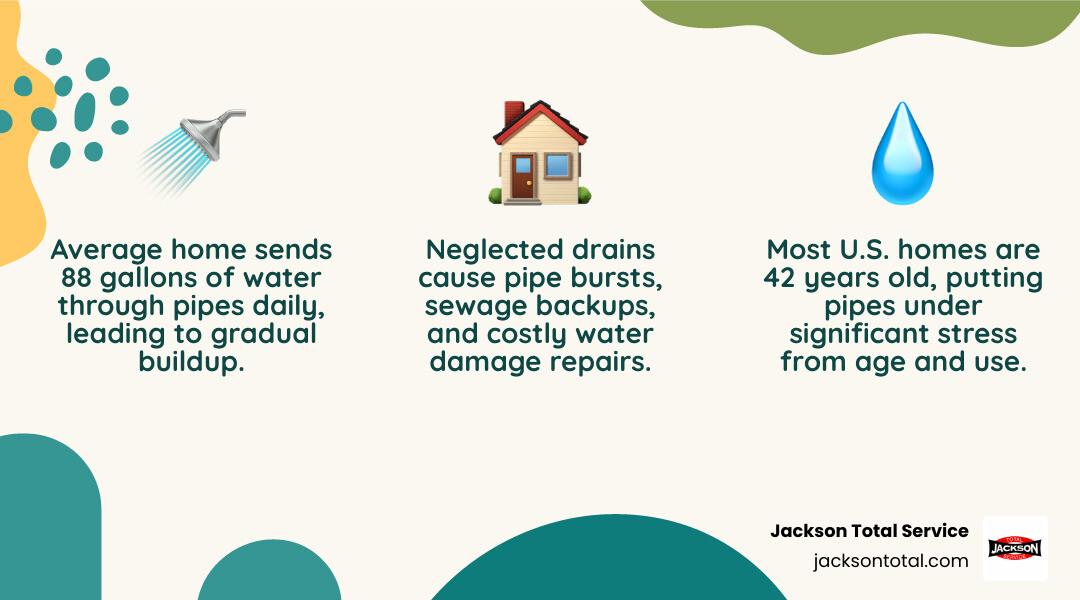
- The average home sends roughly 88 gallons of water through its pipes every single day — that’s a lot of buildup over time
- Neglected drains can lead to pipe bursts, sewage backups, mold growth, and expensive water damage
- Most American homes are around 42 years old, meaning pipes are already under significant stress
- Proactive cleaning protects your home’s plumbing, your health, and your wallet
Think of it like an oil change for your car. Skip it long enough, and a small maintenance task becomes a very costly repair. The good news is that regular drain cleaning is one of the simplest ways to protect your home — and knowing the warning signs early makes all the difference.
Drain Cleaning: When and Why It Matters for Your Home’s Health

In Southwest Florida, we rely on our plumbing for everything from morning showers in Naples to washing sandy beach towels in Marco Island. However, many of us ignore what happens beneath the surface. Understanding drain cleaning when and why it matters is the first step in ensuring your home remains a sanctuary rather than a source of stress.
With the average age of a home in America currently sitting at 42 years, many of the pipes in Lee and Collier counties are nearing the end of their peak performance years. Over decades, pipes naturally accumulate layers of debris that narrow the passage for water. When you invest in professional Drain Cleaning, you aren’t just fixing a temporary inconvenience; you are extending the structural integrity of your entire plumbing system.
Neglecting this maintenance can be a costly mistake. Statistics show that fixing household water leaks—which are often caused by the pressure buildup of neglected, clogged drains—can save homeowners about 10 percent on their water bills. Furthermore, water damage and freezing (often linked to drain backups) are among the most common and expensive insurance claims. In May 2026, as we look at modern home standards, proactive maintenance is no longer a luxury; it is an essential part of responsible homeownership.
The Difference Between Unclogging and Drain Cleaning: When and Why It Matters
It is easy to confuse “unclogging” with “cleaning,” but they are vastly different services. Unclogging is a reactive fix—it’s the equivalent of poking a small hole through a mess just to get water moving again. It addresses the symptom, not the disease.
Professional drain cleaning is what we call the “reset button” for your plumbing. Instead of just removing a single obstruction, cleaning restores the full internal diameter of the pipe. It removes the years of organic decomposition, grease, and “gunk” that cling to the pipe walls.
The benefits of a total cleaning include:
- Faster Drainage: No more standing in ankle-deep water during your shower.
- System Longevity: Removing corrosive materials protects the pipe walls from thinning and leaking.
- Quiet Pipes: Eliminates the gurgling and “mocking” sounds that occur when air is trapped behind buildup.
- Hygiene: Removes the breeding ground for bacteria, mold, and even pests like drain flies.
Preventing Costly Water Damage with Drain Cleaning: When and Why It Matters
When a drain becomes significantly occluded—meaning it’s more than 50% blocked—the internal pressure in your plumbing system rises. This pressure places immense stress on pipe joints, which can lead to “slab leaks” or sudden pipe bursts.
Perhaps most concerning is the risk of a sewage backup. The EPA classifies sewage overflows as Category 3 biohazard water, which poses a serious health risk to your family. These backups often happen at the worst times; in fact, approximately 68% of Americans experience plumbing problems during the holidays each year. This is usually due to the extra load of grease, fats, and oils from large family meals being forced through drains that were already partially blocked. Regular maintenance ensures your pipes can handle the “heavy lifting” of the holiday season without failing.
Recognizing the Warning Signs of Pipe Occlusion
Your plumbing system is constantly communicating with you. If you know what to listen, look, and smell for, you can catch a problem before it becomes an emergency.
Hydraulic Indicators (Slow Drains):
The most obvious sign is water that lingers. If you find yourself waiting for the sink to empty while brushing your teeth, or if water pools at your feet in the shower, you have a hydraulic failure. This indicates that debris has narrowed the pipe enough to slow the flow of gravity.
Acoustic Indicators (Gurgling):
Do your drains “talk” back to you? Gurgling sounds are a classic sign of a partial blockage downstream. As water tries to pass the obstruction, it creates a vacuum that pulls air through the water-sealed trap, resulting in that telltale bubbling sound.
Atmospheric Indicators (Odors):
If your kitchen or bathroom smells like rotten eggs, you likely have a buildup of decomposing organic matter. This produces hydrogen sulfide gas. Not only is this unpleasant, but OSHA also classifies hydrogen sulfide as a chemical hazard at certain concentrations. If the smell persists, it’s a sign that the trap seal is failing or the venting is disrupted.
The 60-Day Rule:
A major red flag is the recurring clog. If you use a plunger or a store-bought snake and the clog returns within 60 days, you aren’t dealing with a simple obstruction. You are likely facing a deep-seated buildup or a main line issue that requires professional intervention.
The Primary Culprits: What Causes Drain Buildup?
Understanding what goes down your drains helps you prevent future headaches. In Southwest Florida, we face a unique combination of common culprits and regional challenges.
- Fats, Oils, and Grease (FOG): These are the “glue” of your plumbing. When you pour warm grease down the sink, it eventually cools and solidifies, coating the inside of the pipes and trapping other debris.
- Soap Scum: Believe it or not, the type of soap you use matters. Traditional bar soaps often contain tallow (animal fat) which reacts with minerals in the water to create a thick, sticky film. Switching to liquid soap can significantly reduce this buildup.
- Hair Tangles: In bathroom drains, hair is the primary offender. It binds with soap scum to create “mats” that are incredibly difficult to move without professional tools.
- Mineral Deposits and Hard Water: Southwest Florida is known for hard water. Over time, calcium and magnesium deposits can create “scale” inside your pipes, narrowing the diameter much like cholesterol narrows an artery.
- Sandy Soil and Tree Roots: Our sandy soil allows tree roots to travel long distances in search of moisture. Even a tiny hairline crack in a pipe can invite a root to enter. Once inside, the root thrives on the nutrients in the wastewater, eventually filling the pipe entirely.
- Starchy Food Waste: Pasta, rice, and potato peels expand when they hit water. Even if you have a garbage disposal, these items can create a thick paste that leads to immediate blockages.
Professional Restoration: Hydro Jetting and CCTV Inspections
When DIY methods fail, we utilize advanced technology to restore your home’s flow. At Jackson Total Service, we believe in “seeing” the problem before we “fix” it.
CCTV Camera Inspections:
Using high-definition waterproof cameras, we can travel deep into your plumbing lines. This allows us to identify the exact cause of a blockage—whether it’s a root intrusion, a cracked pipe, or a stubborn grease clog—without any guesswork. We follow NASSCO standards to ensure every inspection is thorough and accurate.
Hydro Jetting:
This is the “gold standard” of drain cleaning. Hydro jetting uses specialized nozzles to blast water at pressures between 1,500 and 4,000 PSI. This doesn’t just punch a hole through a clog; it “scours” the internal walls of the pipe, removing scale, grease, and even small tree roots. It is the most effective way to return your pipes to a “like-new” state.
Comparing Methods:
| Feature | Drain Snaking (Auger) | Hydro Jetting |
|---|---|---|
| Primary Use | Breaking up solid clogs (hair, paper) | Removing grease, scale, and roots |
| Effectiveness | Punches a hole through the clog | Cleans the entire pipe diameter |
| Residue | Leaves grease/sludge behind | Flushes all debris out of the system |
| Pipe Safety | Safe for most pipes | Requires inspection for older/fragile pipes |
DIY Maintenance and Clog Prevention Tips
While we are always here to help, there are several things you can do to keep your drains healthy between professional visits:
- Use Mesh Strainers: These inexpensive tools catch hair and food scraps before they ever enter your pipes.
- The Baking Soda & Vinegar Flush: Once a month, pour half a cup of baking soda followed by half a cup of vinegar down your drains. Let it sit for 15 minutes, then flush with hot water to help break down minor grime.
- Hot Water Flushes: Simply running hot water for 5–10 minutes once a week can help melt away lingering grease.
- Proper Grease Disposal: Never pour oil down the sink. Instead, pour it into a sealable container, let it harden, and toss it in the trash.
- Enzyme-Based Cleaners: Use bacterial or enzyme cleaners rather than harsh chemicals. These “eat” organic matter without corroding your pipes.
When to Call a Professional for Service
If you notice that multiple fixtures are backing up at the same time—for example, your shower gurgles when you flush the toilet—you likely have a main sewer line issue. This is not a DIY job. Main line blockages can lead to full-home backups that are messy and hazardous.
Additionally, if you live in an older home in Fort Myers or Naples, your pipes may be fragile. Attempting to use heavy-duty rental equipment or harsh chemicals can cause permanent structural damage. Our licensed technicians have the expertise to select the right tool for the specific material and age of your pipes.
Frequently Asked Questions
How often should I have my drains professionally cleaned?
For most standard households in Southwest Florida, we recommend a professional cleaning every 12 to 18 months. However, if you have a large family, do a lot of heavy cooking (which increases grease), or live in an older home with original cast iron pipes, an annual cleaning is a much safer bet.
Are chemical drain cleaners safe for my pipes?
In short: No. Most store-bought chemical cleaners are highly corrosive. They generate intense heat to dissolve clogs, which can warp or melt PVC pipes and accelerate corrosion in older metal pipes. They often only provide a temporary fix and can actually push the clog further down the line, making it harder to reach later.
Why do my drains smell like rotten eggs?
That smell is usually hydrogen sulfide gas produced by decomposing organic matter (like hair and food scraps) trapped in your pipes. It can also happen if a “P-trap” (the U-shaped pipe under your sink) has dried out, allowing sewer gases to drift up into your home. If a quick flush of water doesn’t fix it, you likely have a deeper buildup that needs professional cleaning.
Conclusion
Your home’s plumbing is a complex system that works hard every day to keep your life convenient. By understanding drain cleaning when and why it matters, you can move from reactive repairs to proactive maintenance, saving yourself time, stress, and money.
Since 1964, Jackson Total Service has been the trusted name for home comfort in Southwest Florida. Whether you are in Naples, Cape Coral, or Bonita Springs, our licensed technicians are ready to ensure your home flows smoothly. We offer 24/7 emergency support because we know that plumbing issues don’t always happen during business hours.
Don’t wait for a backup to ruin your day. Contact us today to schedule your professional inspection and cleaning.