



Are Your Outdoor Lights Ready for Shorter Days and Late-Summer Storms?
Upgrading to low-voltage landscape lighting before the fall time change is one of the smartest decisions you can make to secure your property and enhance its nighttime appeal. Is your current outdoor lighting system actually equipped to handle the heavy rains of August, or are you constantly replacing burnt-out bulbs every time a storm rolls through? As we approach the August late-summer transition, earlier sunsets mean your system will soon be working overtime. If you are tired of dealing with failing halogen fixtures that short out in the rain, you face a clear choice: keep repairing an outdated setup, or make a permanent switch to modern technology. Professional installation is necessary to ensure these systems are properly grounded and built to survive Florida’s harsh climate.
When you need reliable solutions, trust the Southwest Florida electrical and home service experts. Reach out to our professional lighting experts to secure your property today.
Why Legacy Halogen Fixtures Fail in Coastal Climates
Most homeowners don’t realize that older outdoor lighting systems were never truly designed to withstand the unique environmental pressures of Southwest Florida. High humidity and coastal saltwater mist actively accelerate the corrosion of unsealed legacy metal electrical fixtures across Naples coastal and inland properties. When you combine that corrosive environment with the inherent flaws of halogen technology, frequent system failures become inevitable.
The Problem with High-Heat Operation
Halogen technology is fundamentally inefficient because it creates light by generating extreme heat. This high-heat operation creates a cascade of physical vulnerabilities for your outdoor fixtures.
- Wasted energy: Halogen bulbs convert a massive amount of their consumed electricity into heat rather than usable light, making them incredibly inefficient to run night after night.
- Thermal shock vulnerability: Because these bulbs run extremely hot, they are highly susceptible to thermal shock. When a sudden, cool late-summer downpour hits the hot glass of a halogen bulb, the rapid temperature change often causes the bulb to shatter instantly.
- Housing degradation: The constant cycle of extreme heat and cooling causes the metal housings and rubber gaskets of older fixtures to warp and degrade over time.
- Moisture intrusion: Once the gaskets fail, Florida’s high humidity and heavy rains easily penetrate the fixture, leading to rapid electrical faults, corroded sockets, and constant maintenance headaches.
Head-to-Head Comparison: Low-Voltage LED vs. Halogen Systems
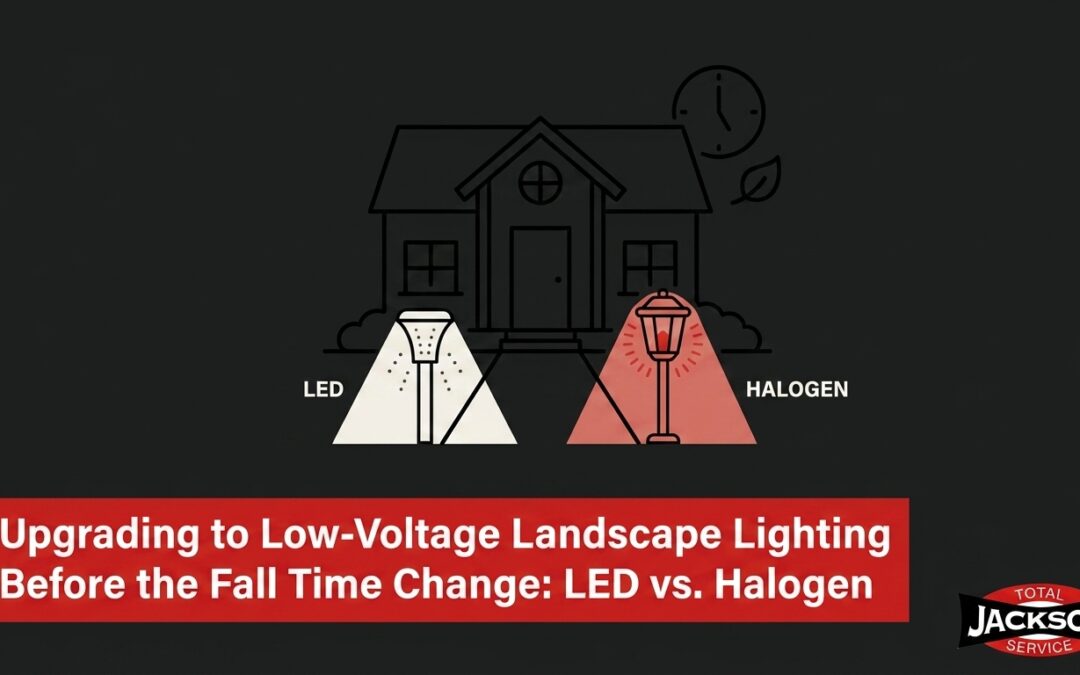
When evaluating sealed low-voltage LED vs legacy halogen fixtures, the differences in performance, safety, and longevity are stark. Modern lighting technology has evolved significantly, resolving the exact pain points that make older systems so frustrating to maintain. If you are wondering is LED landscape lighting worth the extra cost, a direct technical comparison reveals why the upgrade pays off in durability and efficiency.
| Feature | Legacy Halogen Systems | Low-Voltage LED Systems |
|---|---|---|
| Energy Efficiency | Draws high wattage; wastes significant energy as heat. | Uses up to 75% to 80% less energy to produce the same illumination. |
| Expected Lifespan | Short lifespan; requires frequent bulb replacements. | Designed to last up to 25 times longer than halogen counterparts. |
| Operating Temperature | Runs extremely hot; high risk of thermal shock and shattering. | Runs cool to the touch; completely immune to thermal shock from rain. |
| Weather Resistance | Prone to gasket failure, moisture intrusion, and socket corrosion. | Features modern, fully integrated, and weather-sealed housings. |

The Impact of the Fall Time Change on Outdoor Lighting
The timing of your lighting upgrade matters just as much as the technology you choose. As we move past the August late-summer transition, the days begin to shorten noticeably. By the time the fall time change arrives, earlier sunsets mean your outdoor lighting system will run for significantly more hours each night.
Managing Increased Energy Demand
The math is simple: longer nights create a heavier overall electrical load. If your system relies on inefficient halogen bulbs, that increased runtime dramatically multiplies your energy draw. A system that ran for four hours a night in June might need to run for seven or eight hours a night in November just to maintain the same level of property security and safe navigation.
Compounding efficiency benefits: Switching to a low-voltage LED system before this seasonal shift allows you to absorb those extra operating hours without a massive spike in energy consumption. Because LEDs use a fraction of the power, you can keep your property brightly and safely illuminated all night long.
Smart control adjustments: Modern low-voltage systems also integrate seamlessly with smart controllers and astronomical timers. These devices automatically adjust your lighting schedule based on the exact time of sunset in your specific zip code, ensuring your lights turn on exactly when needed as the season changes.
Weather-Sealing Against Peak Storm Activity
August and early fall mark the peak of late-summer storm activity in Southwest Florida. These intense, driving rains test the absolute limits of outdoor electrical enclosures. If you are still relying on older equipment, your property is at risk of recurring electrical issues.
Here is what happens when outdated fixtures face peak storm season:
- Compromised weather seals: Years of intense UV exposure bake and crack the rubber gaskets on legacy fixtures, completely destroying their ability to keep water out.
- Nuisance tripping: When water enters an unsealed halogen housing, it creates a short circuit. This causes the outdoor GFCI outlets or breakers to trip, leaving your entire yard in the dark.
- Corrosion acceleration: Trapped moisture inside the fixture rapidly corrodes the internal wiring and bulb sockets, eventually requiring a total replacement of the unit.
The clear advantage of modern sealed low-voltage LED vs legacy halogen fixtures is their physical construction. Quality LED landscape lights feature fully encapsulated electronics. Because the light source and the circuitry are sealed at the factory, there are no bulbs to change and no gaskets to fail. This impenetrable design stops water intrusion in its tracks, preventing the nuisance tripping and corrosion that plague older systems. To ensure these highly durable fixtures are placed correctly for maximum impact and safety, professional landscape lighting installation is essential.
Why Landscape Lighting is a Serious Electrical Upgrade
One thing we see often is homeowners treating outdoor lighting as a simple landscaping project—just sticking a few fixtures in the dirt and plugging in a transformer. In reality, landscape lighting is a critical electrical system that requires professional integration, precise load calculations, and proper grounding to function safely across Naples coastal and inland properties.
The Danger of DIY Outdoor Wiring
Proper grounding is non-negotiable. Outdoor electrical systems are highly vulnerable to power surges and nearby lightning strikes. If your lighting transformer is not correctly grounded, a surge can travel back through the low-voltage lines, into the transformer, and directly into your home’s main electrical panel.
Main panel integration: Transformers must be correctly integrated with your home’s electrical system by a licensed professional. Improperly wired outdoor lights are a major source of hidden electrical faults. We’ve seen exactly what happens when outdoor electrical systems are compromised by severe weather. Just a week and a half after Hurricane Ian, one local customer reached out on a Sunday because sparks were shooting from their electrical panel due to storm-damaged outdoor wiring. Our team responded immediately, and our electrician Jeff was on-site in less than an hour to secure the panel and eliminate the fire hazard. That level of rapid, safe resolution is why professional grounding and integration matter.
With a 60-year family legacy and multi-trade expertise, we know that safe, storm-ready lighting requires professional main panel integration. Landscaping crews without electrical licenses simply cannot ensure that your new lighting system meets local safety codes. If your current electrical panel is outdated or overloaded, a professional assessment for electrical panel upgrades may be necessary before adding new outdoor loads.
Frequently Asked Questions About Landscape Lighting Upgrades
Why do my halogen landscape lights keep burning out in the rain?
Halogen bulbs burn out in the rain due to a reaction called thermal shock. Because these bulbs operate at extremely high temperatures, sudden contact with cool rainwater causes the hot glass to shatter or the filament to snap. Additionally, older fixtures often have degraded weather seals, allowing moisture to enter the socket and short out the bulb.
Are LED landscape lights better for wet coastal climates?
Yes, LED landscape lights are vastly superior for wet coastal environments. Modern sealed low-voltage LED vs legacy halogen fixtures feature fully encapsulated electronics that prevent moisture intrusion. They also run cool to the touch, eliminating the risk of thermal shock during sudden downpours.
Does upgrading to LED landscape lighting save energy?
Upgrading to LED technology significantly reduces energy consumption. Low-voltage LED fixtures typically use 75% to 80% less electricity than traditional halogen bulbs while producing the same amount of light. This massive efficiency gain becomes especially noticeable during the longer nights of fall and winter.
Can you convert old halogen landscape lights to low voltage LED?
While some older halogen fixtures can technically accept retrofit LED bulbs, it is rarely the best long-term solution. The existing metal housings usually have compromised weather seals and corroded sockets that will continue to cause electrical faults. Replacing the entire unit with a dedicated, factory-sealed LED fixture guarantees better durability and weather resistance.
How does daylight saving time affect outdoor lighting timers?
When the time changes in the fall, sunsets occur roughly an hour earlier by the clock, meaning traditional mechanical timers will turn your lights on too late. Upgrading to a modern system with an astronomical timer or a smart controller solves this issue, as these devices automatically adjust your lighting schedule based on the exact sunset time in your area.
Why is professional grounding necessary for outdoor lighting?
Professional grounding protects your home’s entire electrical system from severe damage. Because outdoor lighting wires run underground across your yard, they can pick up electrical surges from nearby lightning strikes. Proper grounding at the transformer ensures that these dangerous surges are safely directed into the earth rather than traveling back into your home’s main electrical panel.
Make the Switch to Reliable Outdoor Illumination: Upgrading to Low-Voltage Landscape Lighting Before the Fall Time Change
The short answer is that holding onto an outdated halogen system is costing you time, energy, and peace of mind. By moving away from fragile, hot-running bulbs and embracing durable, encapsulated LED technology, you eliminate the constant maintenance headaches caused by Florida’s intense weather. As we navigate the August late-summer transition, now is the time to ensure your property remains safe, secure, and beautifully illuminated throughout the longer nights ahead. Upgrading to low-voltage landscape lighting before the fall time change provides a permanent, energy-efficient solution that is built to last. Reach out to a licensed professional today to assess your outdoor electrical needs and design a system that can truly weather the storm.