



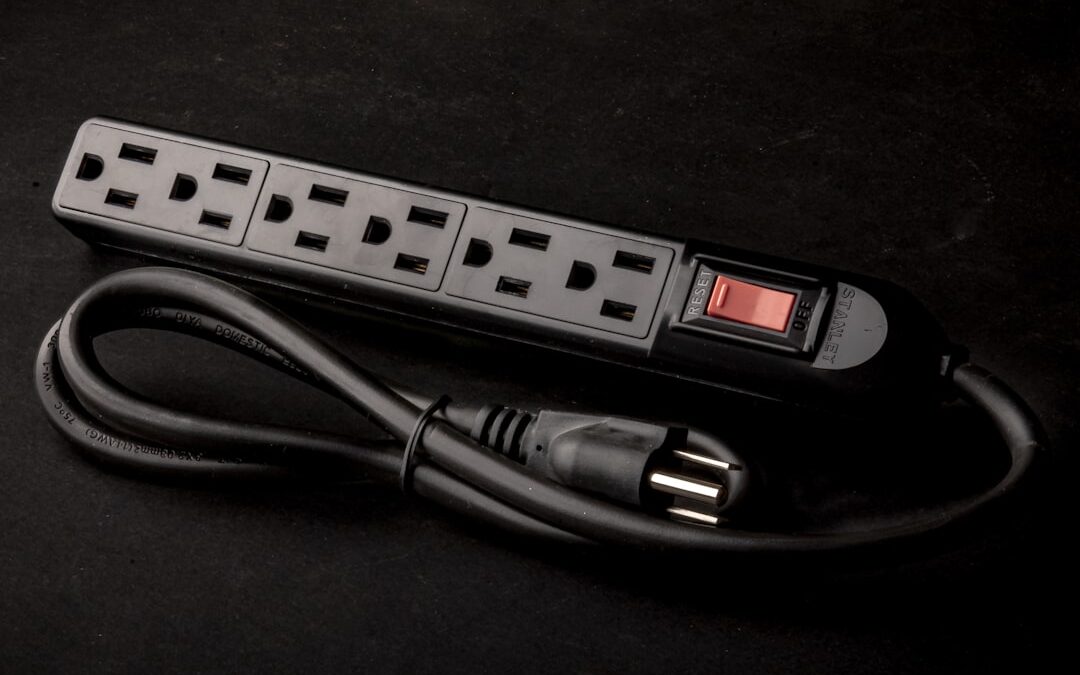
Why the Surge Protection vs Power Strip Comparison Could Save Your Electronics
The surge protection vs power strip comparison is one of the most misunderstood topics in home electrical safety — and getting it wrong can cost you far more than you’d expect.
Here’s the quick answer:
| Feature | Power Strip | Surge Protector |
|---|---|---|
| Adds extra outlets | Yes | Yes |
| Protects against voltage spikes | No | Yes |
| Contains MOV components | No | Yes |
| Has a joule rating | No | Yes |
| UL 1449 certified | No | Yes |
| Indicator light | No | Usually yes |
| Best for | Lamps, clocks, toasters | Computers, TVs, gaming consoles |
In short: A power strip only gives you more places to plug things in. A surge protector does that and shields your devices from dangerous voltage spikes.
Many homeowners assume these two devices are interchangeable because they look nearly identical sitting on a store shelf. But they serve very different purposes — and plugging the wrong device into the wrong outlet can quietly destroy your electronics over time, or in a single storm.
Consider this: research shows that 78% of equipment failures within five years are linked to power surges. In Southwest Florida, where lightning is a near-daily reality during storm season, that risk is even higher than in most parts of the country. A standard power strip offers zero protection against those surges. None.
Whether you’re setting up a home office, an entertainment system, or a smart home setup, knowing which device you actually need is the first step toward protecting what you’ve invested in.

Understanding the Basics: Power Strips vs. Surge Protectors
When we talk about a surge protection vs power strip comparison, we are looking at two devices that often share the same plastic housing and a similar-looking cord. However, their internal DNA is completely different.
At its simplest, a power strip is an extension of your wall outlet. It allows you to turn one or two outlets into six or eight. A surge protector, on the other hand, is a sophisticated piece of Electrical Services equipment designed to sense when the voltage in your home exceeds safe levels and then act as a shield.
The “magic” inside a surge protector comes from components like Metal Oxide Varistors (MOVs). These parts act like a pressure valve for electricity. When the voltage is normal, they stay closed. When a spike hits, they open up and shunt that excess energy safely into the grounding wire before it reaches your expensive 8K TV or gaming laptop.
Defining the Power Strip
The primary function of a basic power strip is outlet expansion. Think of it as a multi-outlet extension cord. While many modern power strips include an integrated circuit breaker, this is only designed to prevent the strip itself from overheating if you plug in too many high-wattage items at once.
If a lightning strike hits a transformer down the street in Naples, a standard power strip will happily pass that massive surge of electricity directly into whatever is plugged into it. It offers basic extension and convenience, but zero “protection” in the sense of voltage suppression. If you find yourself needing more outlets because of a poorly designed room, it might be time to look into professional Electrical Repair to add permanent wall outlets instead.
Defining the Surge Protector
A surge protector is defined by its ability to perform “voltage clamping.” It monitors the incoming flow of electricity and ensures it stays within the standard 120V range. If a transient voltage spike occurs—whether from a storm or a large appliance like an AC unit kicking on—the surge protector absorbs the hit.
These devices are rated in “joules,” which represents the total amount of energy they can absorb over their lifetime. Because they protect the sensitive microprocessors found in almost every modern appliance, they are an essential part of Circuit Breaker Troubleshooting and home maintenance.
How Surge Protectors Shield Your Naples Home from Damage
Living in Southwest Florida means dealing with some of the most active electrical weather in the country. A surge isn’t always a massive “bolt from the blue.” In fact, many surges are internal, caused when high-draw appliances cycle on and off.
When excess voltage enters the surge protector, the MOVs detect the rise. Within nanoseconds, they divert that energy away from the “hot” line and into the grounding line. This prevents the electricity from “arcing” across delicate circuit boards, which can melt components or cause “electronic rust”—a slow degradation that leads to mysterious device failures months after a storm. For those in our local area, keeping an eye on Tag/Circuit Breaker Troubleshooting Naples is a great way to stay informed about local electrical risks.
The Role of Joules in a Surge Protection vs Power Strip Comparison
The joule rating is perhaps the most important metric in any surge protection vs power strip comparison. Think of joules like a sponge’s capacity to hold water. Every time a surge protector absorbs a small spike, a bit of that “sponge” is used up.
- 600 Joules: Basic protection for small items like lamps or clocks.
- 1000–2000 Joules: Recommended for home office equipment and mid-range electronics.
- 3000+ Joules: The gold standard for high-end home theaters and sensitive computers.
Because MOVs degrade cumulatively, a surge protector doesn’t last forever. Once the joule capacity is exhausted, the device essentially becomes a regular power strip—leaving your gear vulnerable. Residents looking for Tag/Circuit Breakers Bonita Springs should remember that higher joule ratings mean a longer-lasting “insurance policy” for your electronics.
Why Clamping Voltage Matters for Your Electronics
While joules tell you how much energy can be absorbed, “clamping voltage” tells you at what point the protector starts working. Look for the UL 1449 certification on the packaging. This is the industry standard for surge suppression.
A lower clamping voltage (also called Suppressed Voltage Rating or VPR) is actually better. A rating of 330V is excellent for home use. If the rating is 400V or 500V, the surge protector allows more “noise” and higher voltage through before it steps in to stop the surge. For those in Tag/Circuit Breakers Marco Island, ensuring your devices meet these UL standards is a critical safety step.
Key Factors in a Surge Protection vs Power Strip Comparison
When you’re standing in the aisle of a home improvement store in Fort Myers or Estero, how do you tell the difference? It isn’t always easy.
A true surge protector will almost always have an indicator light labeled “Protected” or “Grounded.” If this light goes out, the surge protection has been depleted, and the unit needs to be replaced. Many also feature EMI/RFI filtering, which cleans up “dirty” electricity that can cause static on your speakers or flickering on your screens. Following Tag/Electrical Safety Tips means checking these lights regularly.
Identifying a True Surge Protector While Shopping
Don’t just look at the number of outlets. Check the back of the device or the packaging for:
- The words “Surge Protector” or “Surge Suppressor”: If it just says “Power Strip,” it probably is.
- Joule Capacity: If there is no joule rating listed, it offers zero protection.
- UL 1449 Listing: This confirms the device has been tested for safety.
- Extra Ports: High-end models often include coaxial ports for cable lines or Ethernet ports for routers, as surges can travel through those lines too.
For more localized advice, check out Tag/Helpful Electrical Tips Naples.
When to Use a Power Strip vs. a Surge Protector
You don’t need a $40 surge protector for everything.
- Use a Power Strip for: Simple, non-electronic items. Table lamps, alarm clocks, or a basic toaster are generally fine. These items don’t have sensitive microchips that can be fried by a minor voltage fluctuation.
- Use a Surge Protector for: Anything with a screen, a motherboard, or a “smart” feature. This includes Smart TVs, gaming consoles, computers, and even modern refrigerators with digital displays.
Using the right tool for the job is one of our Top 6 Holiday Safety Tips, especially when you’re adding extra lights and decorations to your home.
Safety Risks and Maintenance of Electrical Strips
Misusing these devices isn’t just bad for your electronics; it’s a major fire hazard. Over 3,300 house fires each year are linked to the improper use of electrical cords and strips.
One of the biggest “no-nos” is daisy-chaining—plugging one power strip into another. This can easily overload the circuit and cause the wires to melt or catch fire. If you find yourself needing to daisy-chain, you actually need more permanent outlets installed. Our team frequently assists with Tag/Circuit Breakers Sanibel Island to ensure homes have the capacity they need without relying on dangerous workarounds.
Do Surge Protectors Wear Out Over Time?
Yes, they do. Most surge protectors have a lifespan of 3 to 5 years. In Southwest Florida, where we have 100+ thunderstorm days a year, you might need to replace them every 2 or 3 years. If you’ve had a major lightning strike nearby and the “Protected” LED is off, the device did its job and died so your TV could live. It’s time to get a new one. This is a common topic in Tag/Circuit Breakers Estero.
The Dangers of Improper Use in Southwest Florida
Never cover a power strip or surge protector with a rug or carpet. This traps heat and can lead to smoldering fires that you won’t notice until it’s too late. Furthermore, never use these strips for high-amperage appliances like space heaters, portable AC units, or large kitchen appliances. These items draw so much current that they can melt the plastic housing of a standard strip. Residents in Tag/Circuit Breakers Golden Gate should always plug high-draw appliances directly into a wall outlet.
Frequently Asked Questions about Surge Protection vs Power Strip Comparison
How do I know if my surge protector is still working?
Check the indicator lights. Most surge protectors have a light that says “Protected.” If that light is flickering or dark, the internal MOVs are likely exhausted. If the “Grounded” light is off, it means your wall outlet isn’t properly grounded, and the surge protector cannot dump excess energy safely. In that case, you need a professional electrician immediately.
Can I plug a power strip into another power strip?
No. This is called “daisy-chaining,” and it is a violation of fire safety codes (and OSHA regulations in workplaces). It can cause excessive heat buildup and lead to an electrical fire. Always plug strips directly into a permanent wall outlet.
Is it safe to use a power strip for a refrigerator or large appliance?
Generally, no. Large appliances like refrigerators, washing machines, and space heaters should be plugged directly into a wall outlet. These devices have high “startup” currents that can exceed the rating of a common power strip, posing a fire risk. If you want to protect a refrigerator, look for a specialized “single-outlet” surge protector designed for heavy appliances.
Conclusion: Protecting Your Southwest Florida Home
At Jackson Total Service, we’ve been helping our neighbors in Naples, Fort Myers, and throughout Southwest Florida since 1964. We know that the local climate—from the humidity to the frequent lightning strikes—puts a unique strain on your home’s electrical system.
The surge protection vs power strip comparison might seem like a small detail, but it’s a vital part of home maintenance. Using a simple power strip for your high-end electronics is like driving a car without insurance—it works fine until the moment you actually need protection.
If you’re concerned about your home’s wiring, or if you’ve noticed flickering lights or tripped breakers, don’t wait for a storm to find out if your system is up to par. We offer comprehensive Electrical Services including whole-home surge protection, which protects every outlet in your house from the source.
Whether you’re in Cape Coral, Marco Island, or Bonita Springs, our team is here to provide the peace of mind that comes with professional expertise. Let us help you keep your home comfortable, safe, and powered for years to come.