


Is Your Kitchen Sink Ready for the Morning Rush?
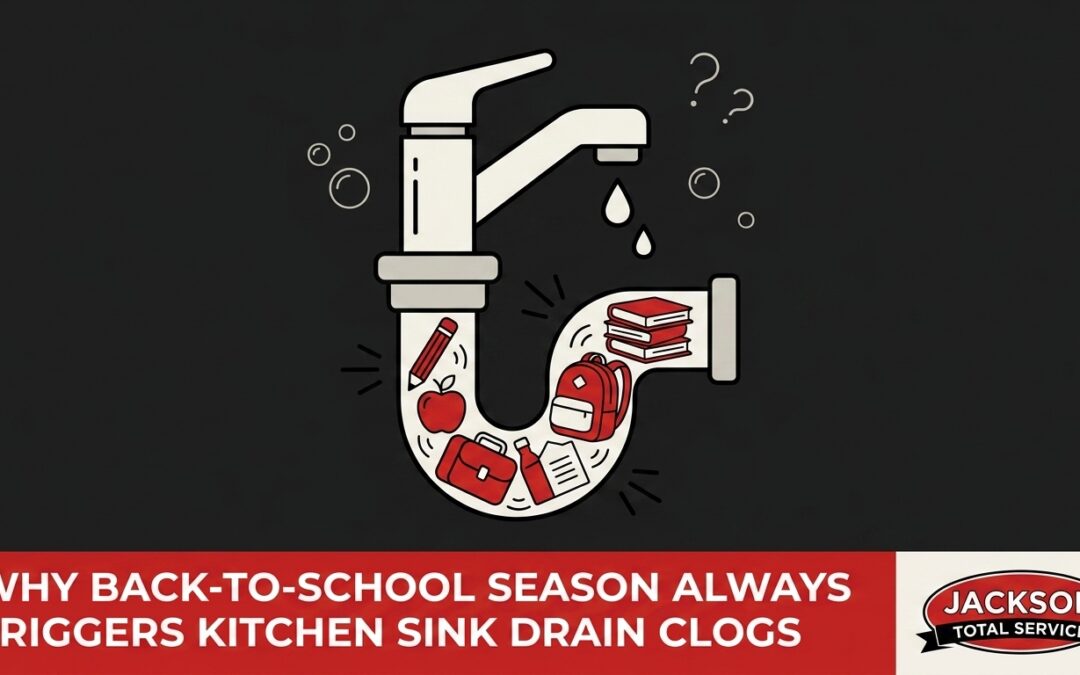
Are you wondering why back-to-school season always triggers kitchen sink drain clogs just as your mornings get chaotic? You are certainly not alone. As August rolls around, our team at Jackson Total Service notices a highly predictable pattern: many homeowners find their kitchen sink draining slower, smelling a bit strange, or backing up completely during the breakfast rush. It feels like terrible timing, but it is actually a common occurrence we see every year. The sudden influx of rushed meal cleanup easily overwhelms residential plumbing systems that have enjoyed a relatively quiet summer.
When you are trying to get kids out the door, the last thing you want to deal with is standing water in the basin. The key to surviving this hectic time of year is understanding whether your garbage disposal is permanently broken or simply jammed from sudden heavy use. Diagnosing this issue quickly can save your morning routine. For reliable plumbing and home services in Southwest Florida, establishing a baseline of what your pipes can handle is the first step. By recognizing the physical toll the August back-to-school transition takes on your plumbing, you can prevent minor drainage issues from turning into full-blown morning disasters.
The Behavioral Shift: From Summer Grazing to Rigid Meal Prep
To understand why your sink suddenly gives up in late summer, you have to look at how your family’s daily habits change. During the summer months, household eating patterns are typically relaxed. Families spend more time grilling outdoors, eating off disposable plates, or grazing on cold snacks throughout the day. Your kitchen sink sees lighter, intermittent usage. However, once the school year begins, that relaxed routine vanishes overnight.
The Anatomy of a Behavioral Jam
The shift to rigid meal prep means your plumbing system suddenly faces a massive increase in volume. Breakfasts are cooked and cleaned up in a tight thirty-minute window. Packed lunches are assembled on the counter, and heavy family dinners are prepared every single evening. This dramatic spike in organic waste, water volume, and soap scum shocks pipes that were accustomed to a lighter summer load.
Furthermore, rushed mornings lead to accidental drops. When everyone is hurrying to catch a bus or beat traffic, non-food items easily slip into the sink basin unnoticed. Bread tie wrappers, plastic bottle caps, and fruit stickers frequently wash down the drain, catching on the disposal blades or lodging in the P-trap. These clogs are rarely spontaneous equipment failures. Instead, they are behavioral jams caused by a sudden, intense change in how the kitchen is used.
In our years of serving Naples FL, we often find that our customers’ pipes are already partially coated with grease from months of cooking. The sudden avalanche of school-day breakfast waste simply acts as the final plug. Investing in regular drain maintenance before the school year starts can clear out that preexisting buildup, ensuring your pipes are wide open and ready to handle the heavy daily usage of the fall season.
Top Rushed-Morning Foods That Overwhelm Disposals
When you are rushing through breakfast, the garbage disposal often becomes a convenient trash can. Unfortunately, many popular morning foods are the exact items that destroy residential plumbing. During the August back-to-school transition, avoiding these specific culprits can save you from a stressful plumbing emergency.
The Worst Offenders for Your Drain
- Expandable breakfast foods: Leftover oatmeal, cold cereal, and grits are incredibly dangerous for your pipes. When these starches mix with water, they swell and expand. Inside a dark, damp pipe, a bowl of leftover cereal turns into a thick, glue-like paste that completely blocks water flow.
- Bacon grease and cooking fats: Pouring warm bacon grease down the drain is a guaranteed way to create a clog. Grease goes down as a liquid but quickly cools and solidifies inside the pipes, creating a sticky trap that catches every other food particle that follows.
- Fibrous fruits and vegetables: Celery strings from lunch prep, corn husks, and asparagus ends should never go into the disposal. These strong, stringy fibers wrap tightly around the disposal’s grinding impellers, eventually locking the motor in place.
- Eggshells from breakfast: While some people believe eggshells sharpen disposal blades, the opposite is true. The thin membrane on the inside of the shell can wrap around the grinding ring, while the ground-up shell acts like sand, settling into the bottom of the P-trap and creating a heavy, immovable sludge.
- Coffee grounds: Dumping a large filter full of wet coffee grounds down the sink creates a dense, muddy blockage. While a few grounds won’t hurt, the daily accumulation from a heavy morning coffee routine will quickly pack your pipes tight.

Diagnosing the Drain: Is the Disposal Jammed or Broken?
When you flip the switch and the water doesn’t go down, panic usually sets in. However, before you assume the worst, it is important to diagnose the exact nature of the problem. Figuring out whether your disposal is permanently broken or simply jammed from a stray piece of silverware is a crucial decision point.
Safe Reset Procedures vs. Professional Diagnostics
You can often tell what is wrong simply by listening to the unit. If you turn on the disposal and hear a low, electrical humming or buzzing sound, but the blades are not spinning, the unit is likely jammed. The motor is trying to work, but something physical—like a fruit pit or a fibrous vegetable—is physically stopping the impellers. If you turn on the switch and hear absolutely nothing, the unit may have overheated and tripped its internal breaker, or the motor may be completely dead.
| Symptom | Likely Cause | Next Step |
|---|---|---|
| Humming sound, no spinning | Physical jam (food or object) | Turn off power, call a professional to clear the jam |
| Silence, no sound at all | Tripped internal breaker | Press the red reset button on the bottom of the unit |
| Water leaking from the bottom | Cracked internal seal | Requires professional replacement |
| Grinding metal-on-metal noise | Foreign object (spoon, screw) | Stop immediately to prevent motor burnout |
If the unit is silent, you can safely look under the sink and press the small red reset button located on the bottom of the disposal canister. If it clicks back into place, try running the unit again. However, if the reset button pops back out immediately, or if the unit is humming, you must stop. Reaching into the disposal or attempting to dismantle the plumbing requires a licensed professional.
Just this past summer, a customer reached out to our team needing general plumbing work after a severe sink backup. One of our technicians quickly fixed the underlying plumbing issue and provided straightforward maintenance advice to help them avoid future jams. Leveraging our 60-year family legacy in Naples FL, our professional technicians at Jackson Total Service prioritize honest diagnostic assessments. This ensures you know exactly the difference between a simple jam and a truly broken unit, preventing unnecessary equipment replacements when you are just trying to get the kids to school.
How Late-Summer Weather Amplifies Indoor Plumbing Strain
It isn’t just the school schedule that puts pressure on your pipes; the regional climate plays a massive, often overlooked role. As local experts, we know that August in Southwest Florida means intense heat and frequent, heavy afternoon thunderstorms. This specific weather pattern forces families inside the house for longer periods of the day.
The Hidden Toll of Increased Indoor Activity
When the heat index skyrockets or a thunderstorm rolls through, outdoor activities are canceled. Kids who might normally be playing in the yard or at a summer camp are suddenly indoors. More time spent inside naturally increases the volume of cooking, dishwashing, toilet flushing, and general plumbing usage. You are running the dishwasher more frequently, washing more hands, and relying heavily on the kitchen sink for constant hydration and snack prep.
This combination of heavy indoor activity and sudden routine changes creates the perfect storm for plumbing strain. The August back-to-school transition happens exactly when your home’s water usage is hitting its annual peak. When pipes are constantly flowing, even a minor partial clog can quickly escalate into a complete backup because the system never gets a chance to rest and drain fully.
Furthermore, increased indoor humidity during the late summer can mask the early signs of plumbing distress. Condensation on pipes is common, but hidden leaks from stressed joints can easily go unnoticed in damp environments. If you ignore a slow-draining sink or a minor drip under the cabinet, the trapped moisture can quickly foster secondary issues. Taking steps to prevent mold from plumbing leaks is essential during this humid season, as standing water from a clogged sink provides the perfect breeding ground for unseen damage.
Recognizing When a Clog Requires Professional Intervention
While a minor sink backup might seem like a manageable nuisance, there is a clear line between a slow drain and a plumbing emergency. Knowing when to step back and call a licensed professional is critical for protecting your home from severe water damage.
Signs of a Severe Blockage
If you notice water backing up into both sides of a double kitchen sink, the clog has moved past the P-trap and deep into the main branch line. Similarly, if you hear strange gurgling noises coming from the drain when you run the dishwasher, it indicates that air is trapped in the pipes behind a massive blockage. These are not issues you can fix with a plunger.
Many homeowners instinctively reach for harsh chemical drain cleaners when faced with a stubborn clog. This is a dangerous mistake. Chemical cleaners generate intense heat as they react with organic matter. In older pipes or completely blocked lines, this heat can warp PVC, corrode older metal pipes, and fail to clear the actual physical blockage. You are often left with a sink full of highly toxic, caustic water that makes professional repair much more hazardous.
Deep line blockages require professional tools, such as motorized augers or high-pressure hydro-jetting, accessed through proper clean-out points. For instance, our team recently helped a local homeowner returning to town last winter who faced a major sewer line blockage that backed up into toilets, sinks, and showers. Our technician promptly cleared the blockage using the exterior clean-outs and explained the root cause, successfully resolving the blockage and preventing further secondary damage. If your kitchen sink begins to overflow during the morning rush in Naples FL, mitigating the water damage quickly is your first priority. Shut off the water supply under the sink and rely on an expert to stop plumbing damage safely before it destroys your cabinetry or flooring.
Frequently Asked Questions About Kitchen Sink Clogs
Why does my kitchen sink keep clogging?
Frequent clogs are usually caused by a chronic buildup of grease, fats, and expandable foods coating the inside of your pipes. Even if water slowly drains, the pipe’s diameter is restricted, meaning any small food particle can cause a temporary backup. A sudden shift in household routines, like the August back-to-school transition, often exacerbates these existing partial blockages by introducing a higher volume of waste faster than the restricted pipe can handle.
Can I put leftover cereal down the garbage disposal?
No, cereal expands significantly when soaked in water and milk. As it travels down the drain, it continues to absorb moisture, swelling into a thick, glue-like paste. This starchy sludge easily blocks the disposal impellers and settles heavily in the bottom curve of the P-trap, creating a stubborn clog that usually requires physical removal.
What foods break a garbage disposal?
Fibrous foods like celery strings, corn husks, and onion skins are notorious for tangling around the disposal’s impellers, eventually locking the motor tight. Additionally, hard items like fruit pits, large bones, and unpopped popcorn kernels can physically damage the grinding mechanism or break the blades. Always throw these tough, stringy, or rock-hard items directly into the compost or trash bin.
How do you know if your garbage disposal is broken or just jammed?
A jammed disposal typically makes a low humming or buzzing sound when turned on, but the blades will not spin, indicating the motor is trying to work but is physically blocked. Conversely, a completely broken unit may make no sound at all, leak water from the bottom housing, or repeatedly trip the red reset button underneath the sink. If you hear humming, turn it off immediately to prevent the motor from burning out.
What is the most common cause of a kitchen sink clog?
The most common cause of a kitchen sink clog is the improper disposal of cooking grease and liquid fats. Grease goes down the drain easily as a warm liquid, but as soon as it hits the cooler pipes, it solidifies into a sticky, hard resin. Over time, this grease trap catches coffee grounds, eggshells, and soap scum, eventually closing off the pipe entirely.
Restore Your Morning Routine with Expert Drain Solutions
Understanding what satisfies a smooth morning routine means recognizing exactly what your plumbing can and cannot handle. By keeping expandable starches, heavy grease, and fibrous vegetables out of the sink, you can prevent the vast majority of behavioral jams. The transition from relaxed summer grazing to rushed school-day meal prep doesn’t have to end in a flooded kitchen.
However, if your pipes are already struggling to keep up with the new schedule, it is time to act before a minor backup turns into a major morning disaster. Reasserting control over your kitchen requires clearing out the hidden summer buildup. If you are dealing with a stubborn clog or a humming disposal in Naples FL, don’t let it ruin your day. Contact our team at Jackson Total Service to schedule a professional drain inspection and tune-up today to restore your peace of mind and keep your household flowing smoothly all season long.